Modern vs Classic Bathroom Design: Which Suits Your Sydney Home?
Sydney’s housing stock is genuinely varied, from Federation homes in Haberfield to sleek new apartments in the CBD, and that variety is exactly why there’s no single “right” bathroom style. The more useful question isn’t which style is more popular right now, it’s which one actually suits the home it’s going into.
What Defines a Modern Bathroom
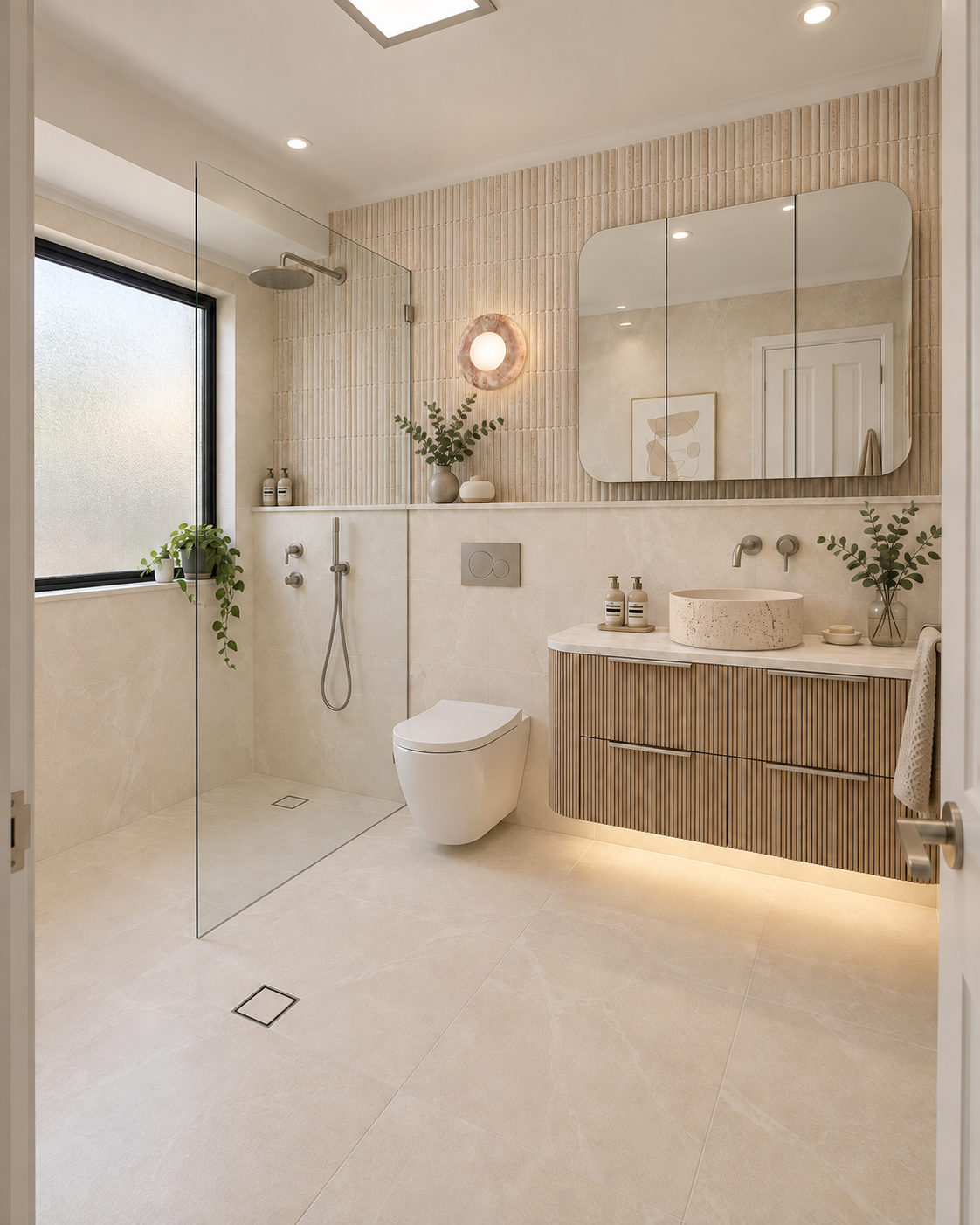
Modern bathroom design tends to favour clean lines, minimal ornamentation, and a restrained material palette, often large format tiles, matte black or brushed brass tapware, and floating vanities. Functionality tends to lead the design decisions, with an emphasis on clever storage and uncluttered surfaces. It suits newer builds particularly well, but it can also work in older homes that have already been substantially renovated elsewhere.
What Defines a Classic Bathroom
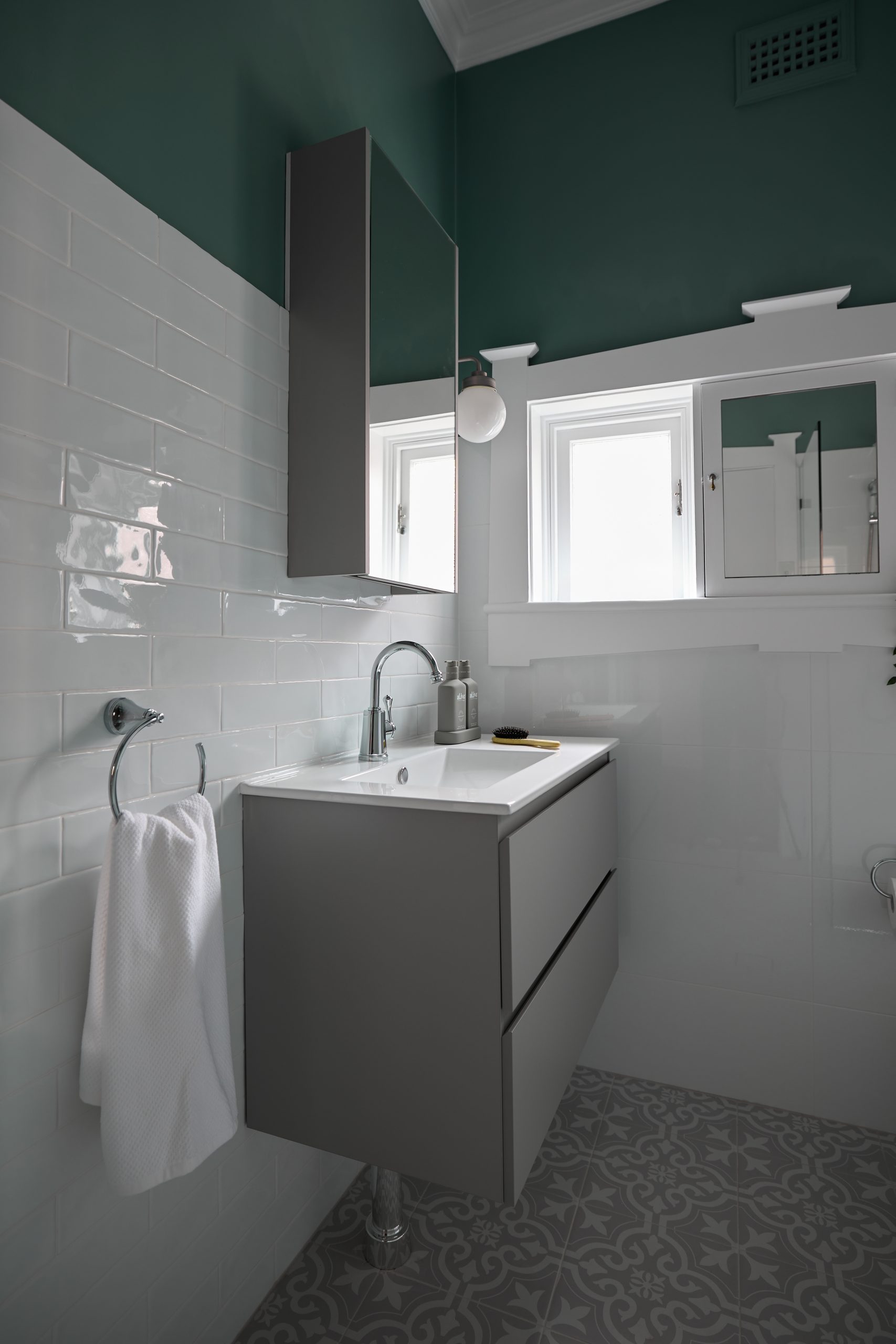
Classic design leans into more traditional detailing, think subway tiles, framed mirrors, freestanding baths, and hardware finishes like polished chrome or aged brass. It tends to feel warmer and more textured than a strictly modern space, and it generally sits comfortably alongside a home’s existing period features rather than contrasting against them.
Matching Style to the Home’s Existing Character
This is where the decision genuinely matters. A stark, minimalist modern bathroom dropped into a heritage-era home with ornate cornices and picture rails can feel jarring rather than deliberate. Similarly, an overly ornate classic bathroom in an otherwise sleek, contemporary apartment can feel out of step with everything around it. The strongest results usually come from designing with the rest of the home in mind, not the bathroom in isolation.
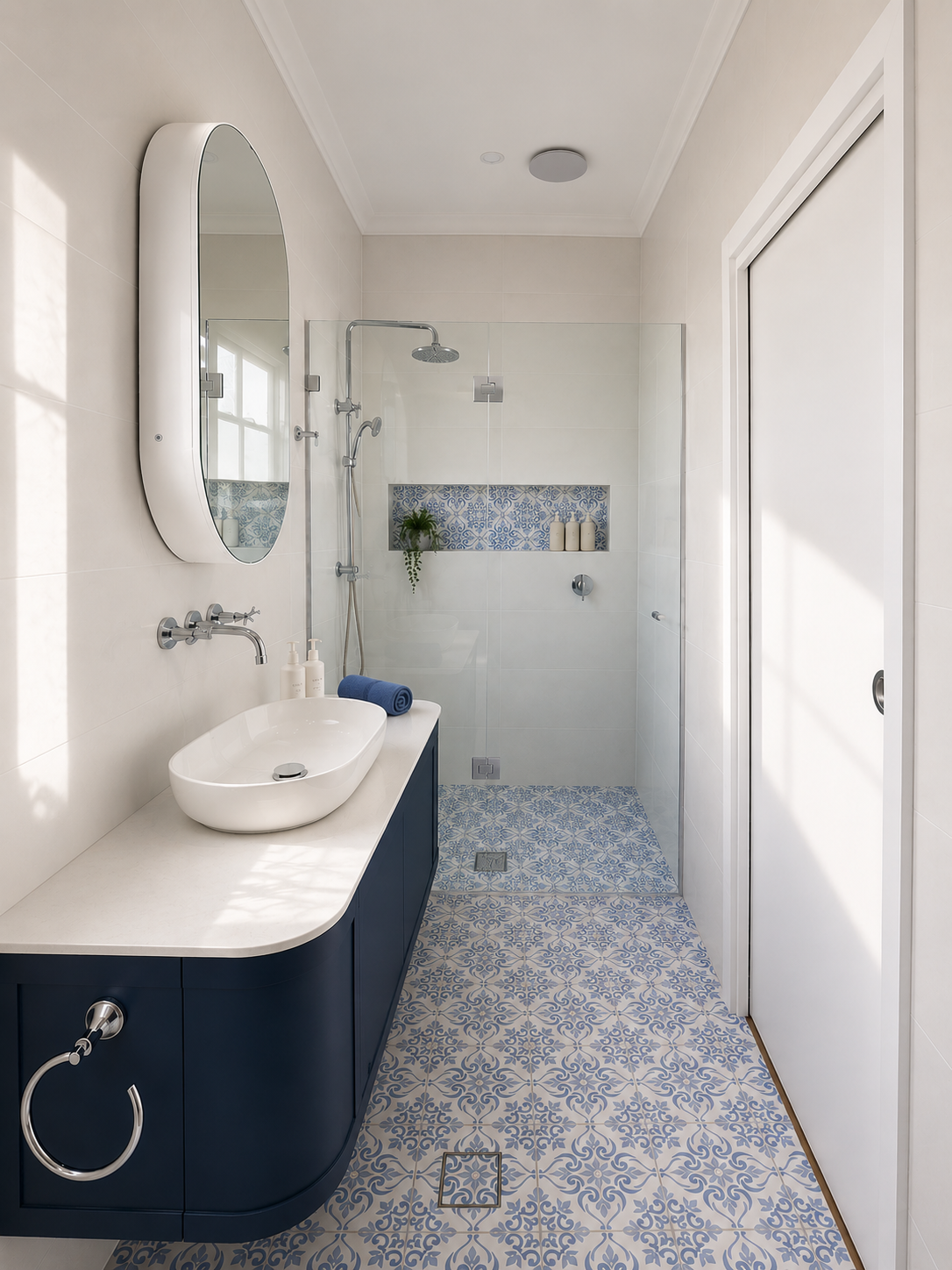
That doesn’t mean you can’t blend elements. Plenty of well-executed bathrooms borrow from both, a classic freestanding bath paired with more modern matte tapware, for example, can work beautifully in the right setting.
Practical Differences Worth Knowing
Beyond aesthetics, there are some genuine practical differences between the two approaches. Modern layouts with wall-hung fixtures and minimal ornamentation are often easier to keep clean day to day, since there are fewer ledges and crevices for grime to accumulate. Classic designs, particularly those with more intricate tiling or ornate fixtures, can take a little more upkeep to maintain their look over time, though good sealing and quality materials go a long way toward minimising that extra effort. Neither is objectively better, but it’s worth factoring into your decision if low-maintenance living is a priority.
Resale Considerations Across Different Suburbs
If resale value is part of your thinking, it’s worth considering what buyers in your specific suburb tend to expect. A heritage-style home in a suburb known for character properties might benefit from a bathroom that respects that character, while a home in an area known for newer builds and apartment living might appeal more broadly with a cleaner, modern finish. There’s no universal answer here, since buyer expectations genuinely vary across Sydney’s different pockets.
Material Choices Reinforce Whichever Direction You Choose
The materials you select tend to do more work than people expect in signalling whether a bathroom reads as modern or classic. Matte finishes, large format porcelain, and concealed fixtures generally reinforce a modern feel, while natural stone-look tiles, subway patterns, and exposed pipework with a period-appropriate finish lean classic. Getting these smaller material decisions consistent with your overall direction matters just as much as the bigger layout choices, since a handful of mismatched details can undercut an otherwise well-considered design.
How to Decide With Confidence
The easiest way to settle on a direction is to see it before committing to it. At Crystal Bathrooms, our design process includes 3D visualisation so you can view your proposed bathroom, whether modern, classic, or a considered blend of both, before any construction begins. You can also browse design styles across our lookbook for inspiration drawn from real Sydney projects.
Frequently Asked Questions
Can I mix modern and classic elements in one bathroom? Yes, and it’s a genuinely popular approach. The key is being intentional about which elements come from each style rather than combining them without a clear direction.
Which style is easier to keep looking good over time? Modern designs with fewer surfaces and simpler detailing tend to be a little easier to maintain, though both styles hold up well with proper cleaning and care.
Does my home’s age limit which style I can choose? Not strictly, but it’s worth considering how the bathroom will sit alongside the rest of the home’s existing character, particularly in period properties.
Not sure which direction suits your home? Book a consultation and we’ll help you explore what actually fits.