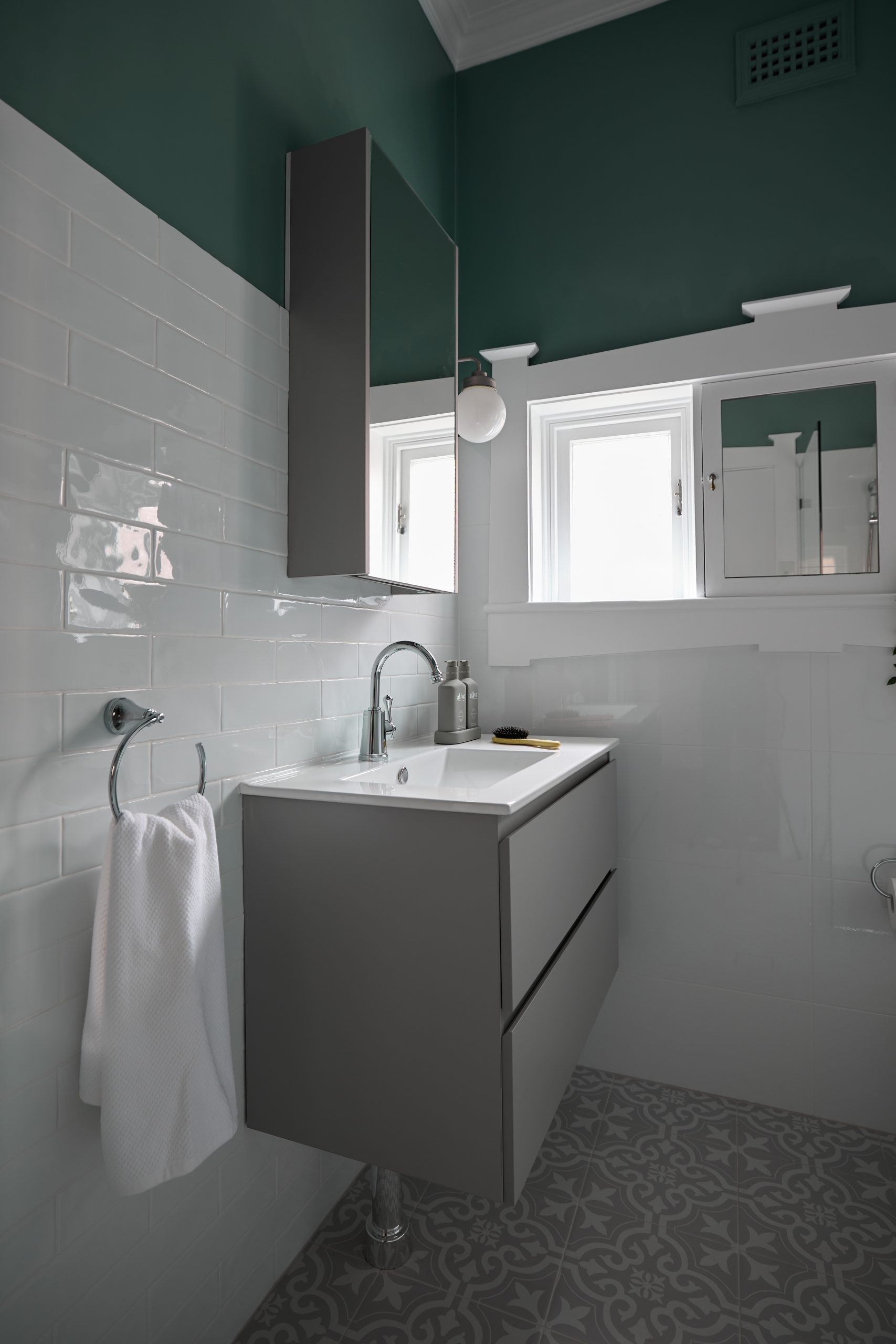
How Long Does a Bathroom Renovation Take? A Realistic Timeline
“How long will this actually take?” is one of the first questions almost every homeowner asks, and it’s a fair one. A bathroom is usually the only bathroom in the house, or close to it, so the timeline isn’t just a scheduling detail, it’s a genuine disruption to daily life that’s worth understanding properly before work begins.
Why There’s No Single Universal Answer
Renovation timelines vary depending on a handful of specific factors: whether the layout is staying the same or changing, whether structural work or council approval is involved, the condition of what’s behind the existing tiles, and how quickly materials can be sourced. A straightforward, like-for-like renovation moves considerably faster than one involving a layout change or unexpected repairs discovered during demolition.
A Realistic Week-by-Week Breakdown
For a standard residential bathroom renovation with no structural changes, a general timeline tends to look something like this:
- Week one: demolition and rough-in. The old bathroom comes out, and plumbers and electricians put pipework and wiring in place behind the walls.
- Week two: waterproofing and curing. The waterproofing membrane is applied and needs time to cure properly before anything is tiled over it. This step should never be rushed, regardless of how tight the schedule feels.
- Week two to three: tiling. Floor and wall tiling proceeds once waterproofing has fully cured and passed inspection.
- Week three to four: fixtures and fitout. The vanity, toilet, shower screen, and tapware are installed, along with final electrical fittings like lighting and the exhaust fan.
- Final days: finishing and handover. Grout, silicone, final touch-ups, and a proper walkthrough before the space is handed back to you.
A typical residential renovation, from demolition to handover, often falls somewhere between three and five weeks, though this shifts depending on the scope of your specific project.
What Adds Time to the Process
A few things reliably extend a timeline beyond the standard estimate. Discovering water damage or deteriorated framing once demolition begins is one of the more common ones, since it requires additional repair work before the renovation can proceed as planned. Custom or imported materials, particularly tapware or tiles sourced from overseas suppliers, can also add lead time if they need to be ordered in advance. Structural changes, like moving plumbing or walls, extend things further still, and any council approval requirements add their own timeframe on top of the construction itself.
What Slows a Renovation Down Unnecessarily
Beyond the factors genuinely inherent to the project, poor coordination between trades is one of the more avoidable causes of delay. If a renovator isn’t managing the sequence of trades properly, plumbers, electricians, waterproofers, and tilers can end up waiting on each other unnecessarily, stretching out a job that should otherwise run smoothly.
How to Get a Timeline You Can Actually Trust
The best way to get a realistic timeline is to have your specific bathroom assessed in person rather than relying on a general average. Layout, existing condition, and material choices all affect how long your particular project will take, and a proper on-site consultation is the only reliable way to account for all of them.
It’s also worth asking your renovator directly how they sequence trades across the project, since this has a bigger impact on total timeline than most homeowners expect. A team that books plumbers, electricians, waterproofers, and tilers in a coordinated sequence keeps a job moving steadily, while a project relying on separately hired subcontractors often loses days simply waiting for the next trade to become available.
At Crystal Bathrooms, we manage the full trade sequence under one team, which is a large part of why our projects run to schedule rather than drifting between disconnected contractors. You can see completed projects and a sense of typical scope in our gallery.
Frequently Asked Questions
Does a bigger bathroom always take longer to renovate than a smaller one? Not necessarily. Complexity, layout changes, and material choices tend to affect timeline more than size alone.
Can I speed up my renovation by choosing materials in advance? Yes, having your tiles, tapware, and fixtures selected and available before construction starts can prevent avoidable delays waiting on deliveries.
What happens if my renovation runs into unexpected delays? A properly managed renovation should keep you informed as soon as an issue is found, along with a clear explanation of how it affects the schedule going forward.
Want a realistic timeline for your specific bathroom? Request a quote and we’ll assess your space in person.