Bath vs Shower Only: Which Benefits Your Sydney Home’s Resale Value
Are you thinking about a bathroom renovation? You may be faced with a difficult decision, choosing between a bath or shower-only. If it’s a question of resale value, which one will best benefit your Sydney home?
- Why It Matters For Resale
Every buyer has different needs, whether it’s a family shopping for a property, investors, downsizers, or the luxury market. Down-sizers may prefer the shower-only, while families might want the bath for their little ones.
Bathroom renovations in Sydney require a balance of practicality and aesthetics, while remaining compliant with NSW and Australian regulations. Renovating a bathroom in an apartment in the CBD will look much different from a large family home reno in the Eastern Suburbs.
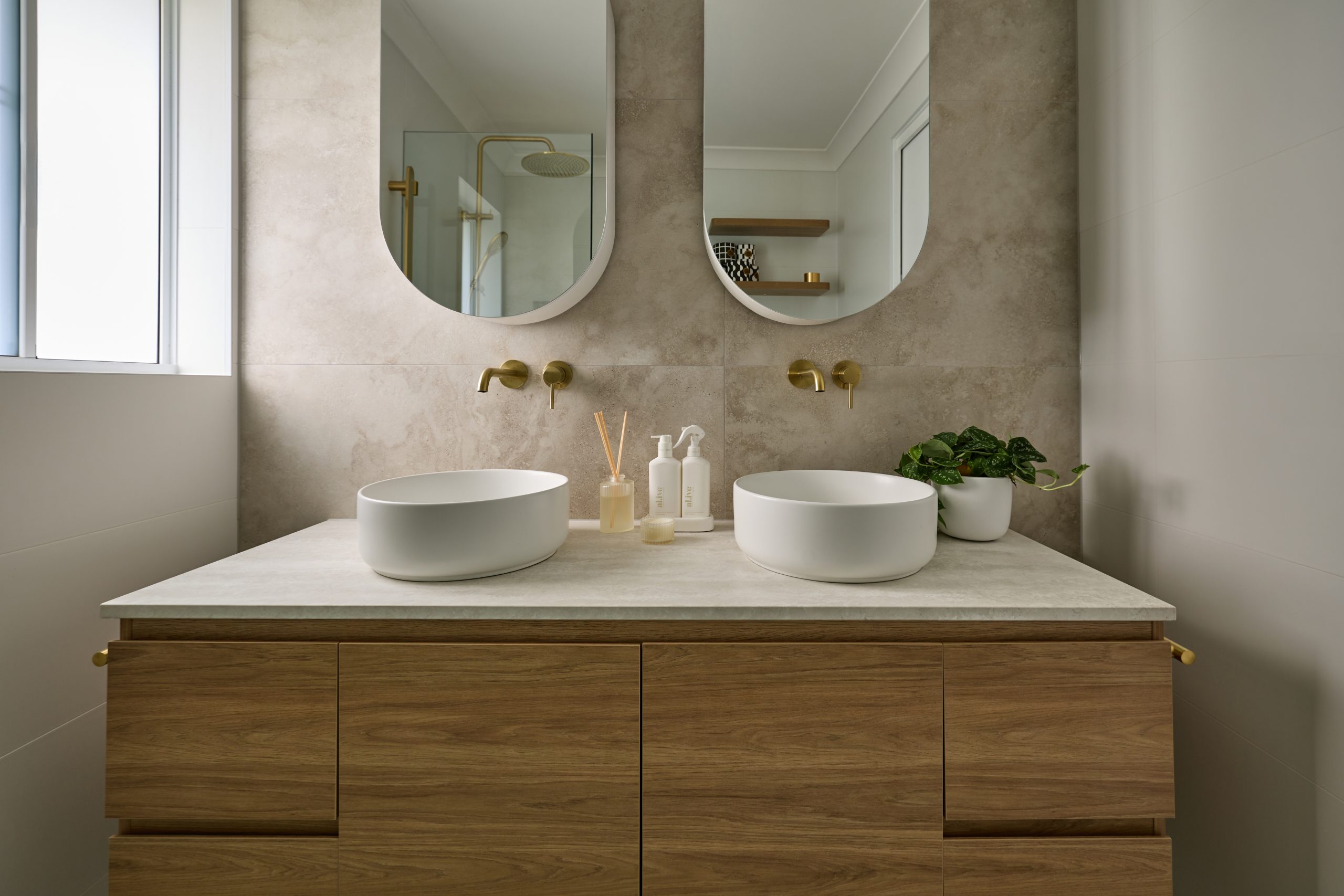
Whether you’re in Dover Heights or down south in Malabar, your needs will also look different from each other. Where small city units embrace a more expansive feel with seamless, soft curves and smart features, large family homes want to utilise natural materials and create a luxurious retreat that gives off a spa-like feel.
This guide will discuss buyer expectations, cost, aesthetic trends, maintenance implications, and compliance issues.
- Who Wants the Bath & Why?
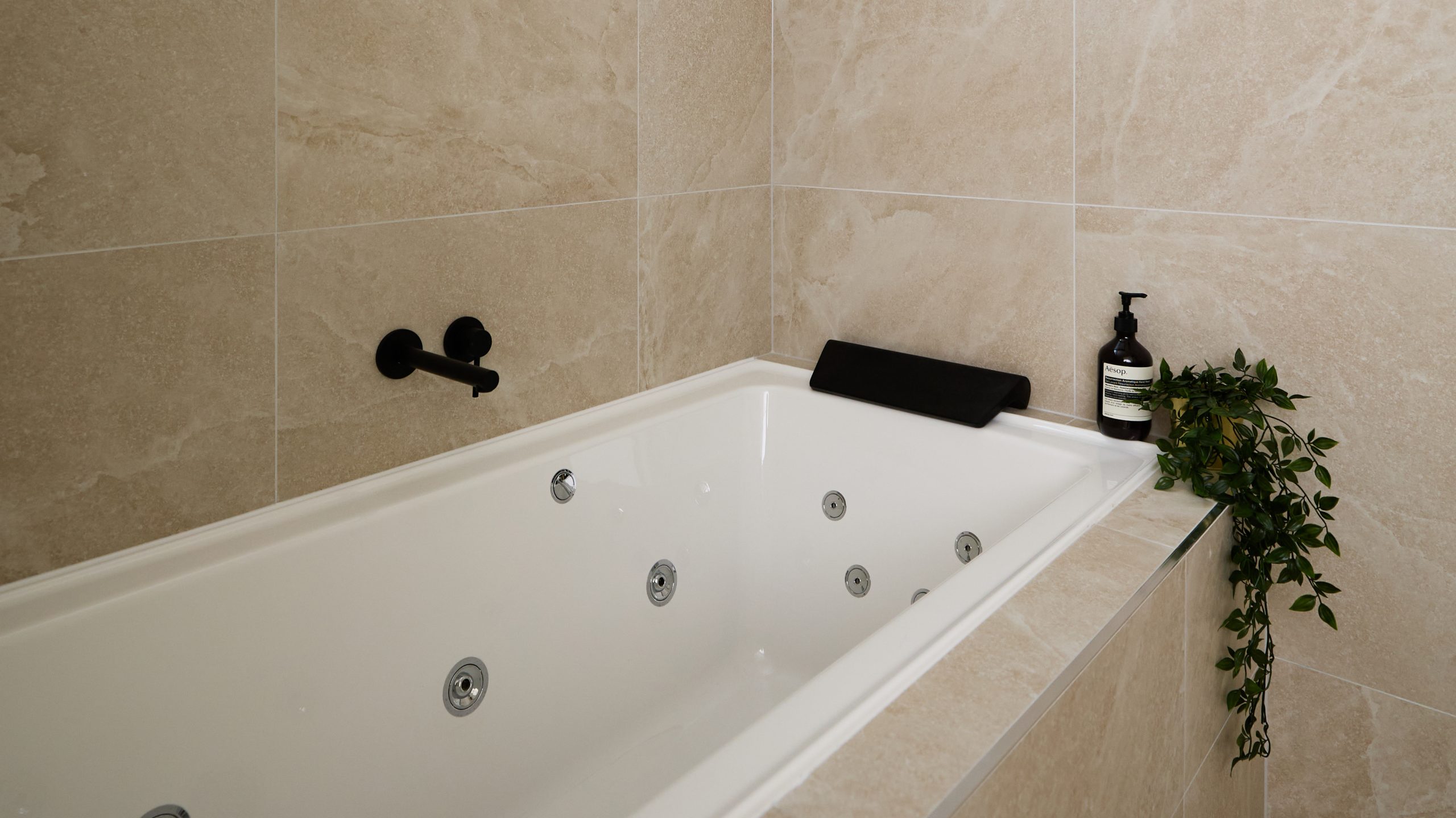
The most common buyers on the lookout for a home with a bath are usually families with young children or premium buyers who prefer a bath or a bath and shower combined. It’s worth remembering that some people value relaxation and see a hot bubble bath as part of the experience. Of course, if you have more than one bathroom, you can have the best of both worlds.
If your home is a high-end listing, a freestanding bath is more than just a bath. It can be a statement piece that serves as the focal point of your bathroom renovation in Sydney. Many buyers view freestanding baths as must-have dream features. If there’s enough space, you could have a combined bath and shower or have a separate bath and shower.
- Who Wants Shower-Only & Why?
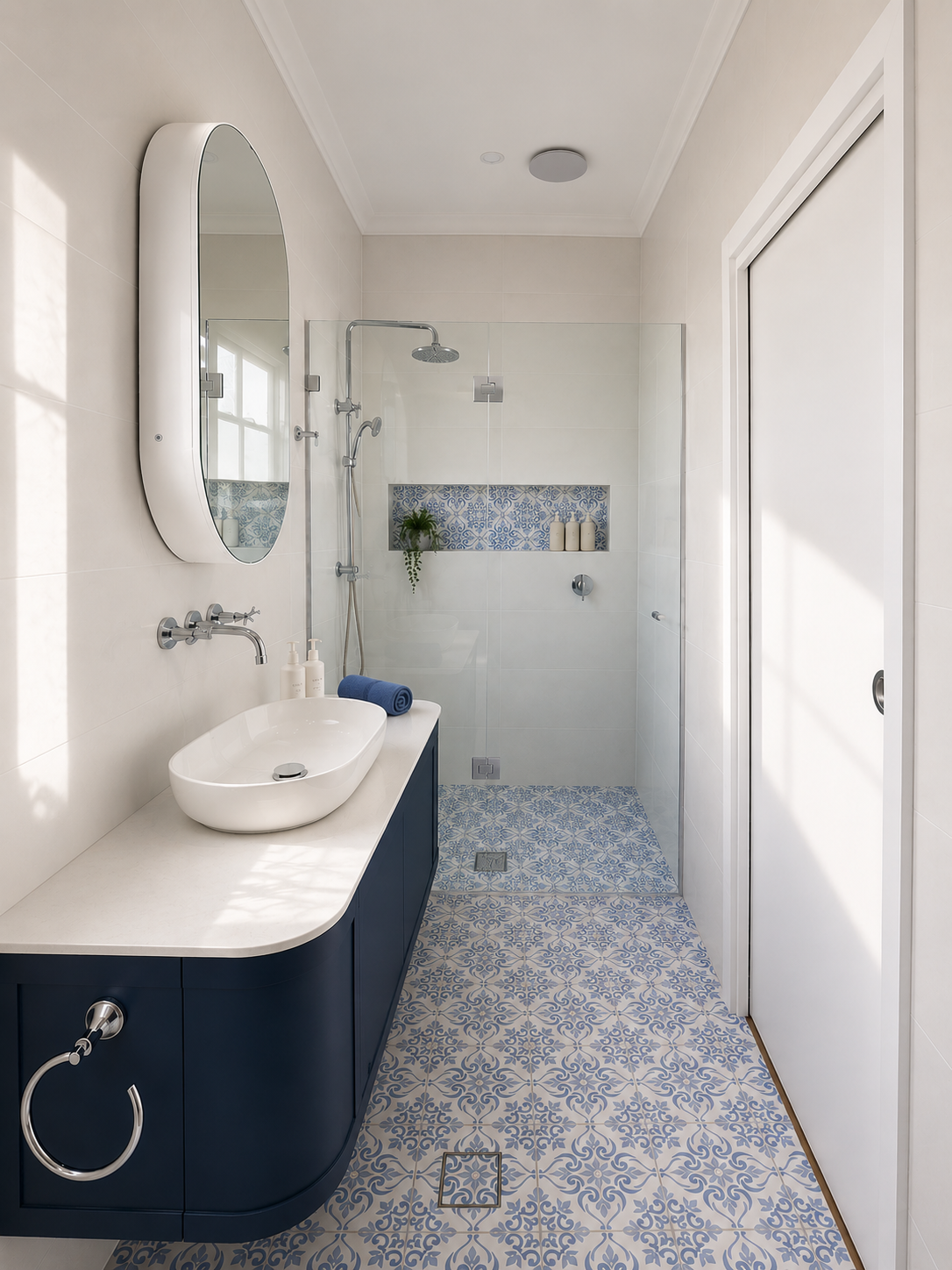
Young professionals often prefer shower-only bathrooms in Sydney, but so do downsizers and other prospective buyers who prioritise space, low-maintenance, and accessibility. One of the most popular choices, for both ageing-in-place and universal design options, is the walk-in shower. These are typically barrier-free or for accessibility.
What you need to keep in mind is the costs. Eco-focused buyers and investors are going to look at the cost constraints and water use. Whatever your final decision, look at the WELS ratings on the shower heads and taps you plan to install.
- The Practical Constraints: Cost, Plumbing, Space
If you have the floor space, the structural load, and existing plumbing to handle a bath, it’s a great option for homeowners. Likewise, unit owners are more likely to opt for a combination or a shower-only setup. You have to consider the cost of the renovation, the plumbing work that’s required, and whether you have the space to accommodate your desired features.
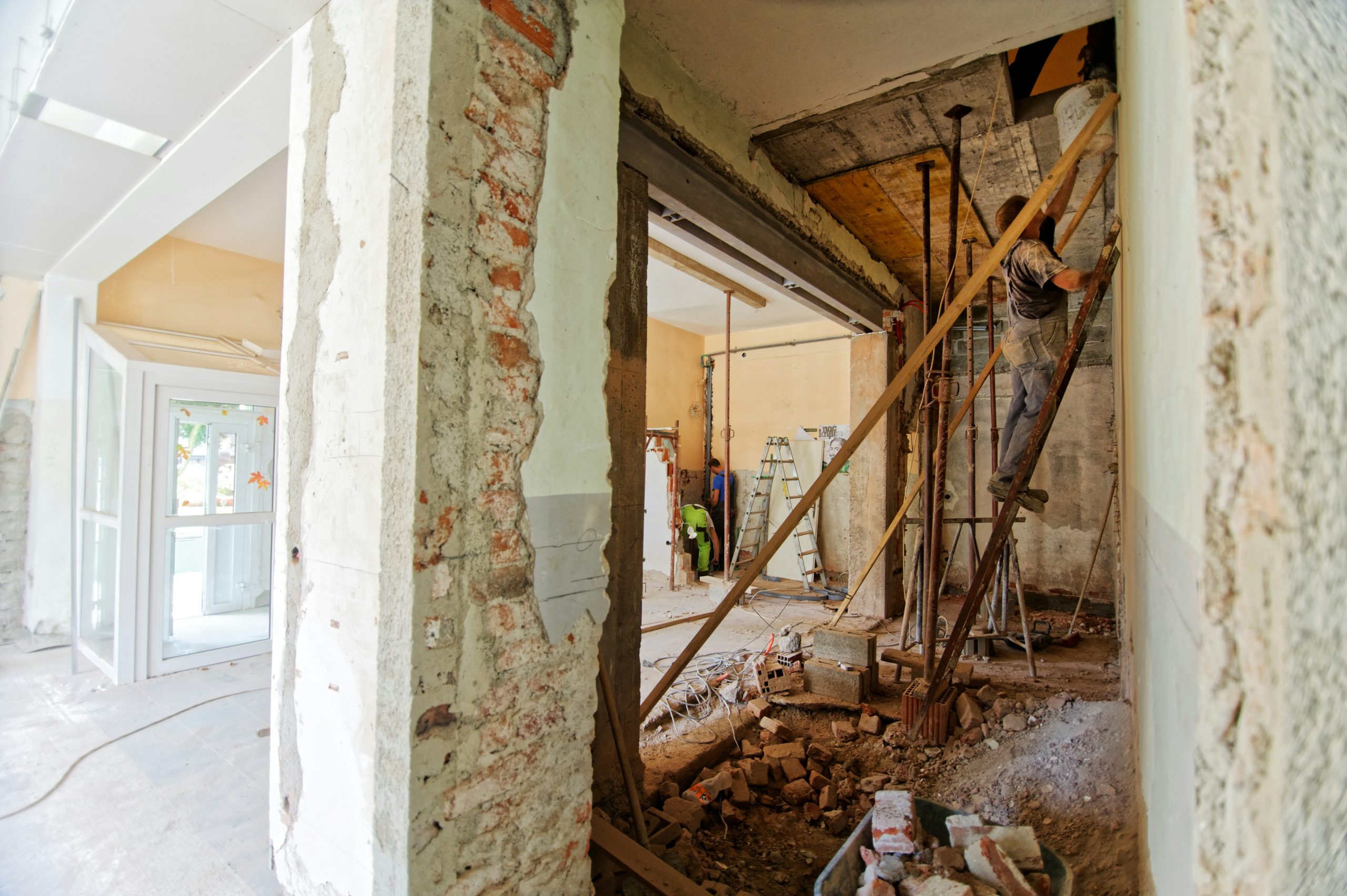
The cost of renovation will rise if you change the bathroom layout and require plumbing relocation, additional waterproofing, tilting scope, and floor waste requirements. Any moving of plumbing or alteration of the wet-areas automatically triggers mandatory compliance. Not only will you need licensed trades and council approval, but all work must comply with AS 3740:2021 and AS/NZS 3500.
- Certifications, Compliance, and Waterproofing
Plumbing renovations are one of the most heavily regulated renovation projects, and that’s due to the nature of the work and the potential damage if it goes wrong. Waterproofing must be carried out in compliance with AS 3740:2021, and the National Construction Code contains wet-area provisions for waterproof extant and floor falls. While plumbing must meet the standards laid out in AS/NZS 3500.
Non-compliance can void your insurance policy in the event of water damage or resale issues, so always hold onto your plumbing and waterproofing certificates on file for when it comes time to sell. Additionally, you can be fined and punished for non-compliance.
- Council, Heritage, and Strata Approvals
If you’re a unit owner, you’ll need to consult your strata by-laws and seek consent from the Body Corporate or Owners-Corp. You may find your by-laws detail what is required/expected, including contractor approval, as well as certain remedial work.
In a Heritage-listed property, there are limits on structural changes and guidelines on visible features. You should consult the council before you add (or remove) a bath.
- The Checklist: Practical Tips
- Understand your target buyer
- Check your floor area space
- Confer with a local real estate agent to understand market expectations
- Check and confirm council regulations and strata rules
- Obtain several quotes for plumbing and waterproofing
- Choose a design with broad appeal
- Set a strict budget and allocate 10-20% to the contingency fund
- Safely file all compliance certification and relevant paperwork, including receipts and warranties
- Contact Crystal Bathrooms
There is no one-size-fits-all solution. If your target buyer is young families, a bath is a must. Whereas, if your target buyer is an urban downsizer, a sleek walk-in shower is a good shout. Regardless of the property, you must always weigh up the cost and compliance with your final decision.
If you’d like to learn more about what’s possible with bathroom renovations, Crystal Bathrooms offers resale-focused bathroom renovation designs. We handle all the work and organise all the licensed traders to supply compliance certificates.