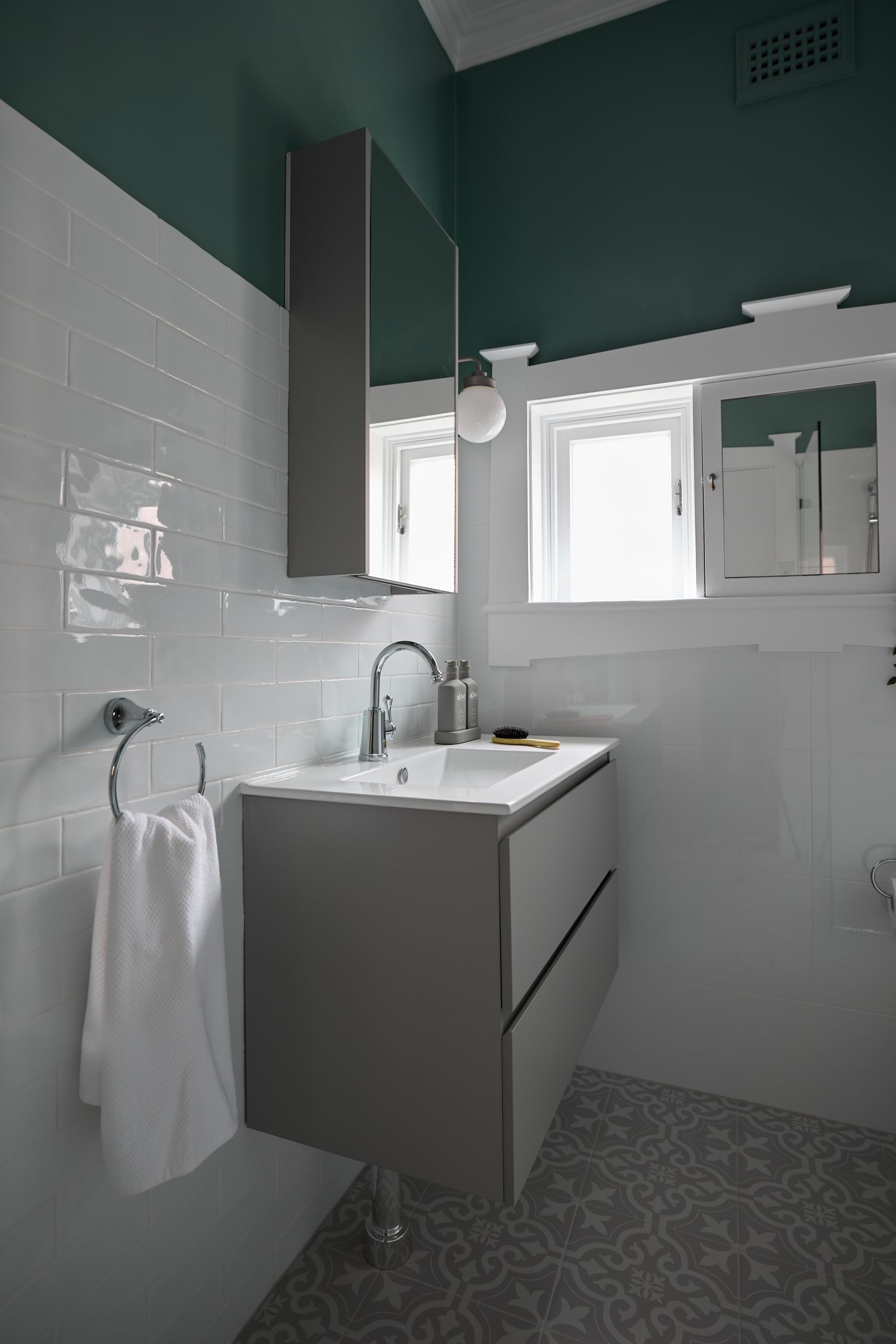
A Homeowner’s Guide to the Bathroom Renovation Process, Step by Step
One of the biggest sources of anxiety around bathroom renovations isn’t the mess or the disruption, it’s not knowing what’s actually going to happen and when. Homeowners who understand the process ahead of time tend to feel far more in control, even when things like trade scheduling shift slightly along the way. Here’s what a properly managed renovation actually looks like from start to finish.
Stage One: Consultation and On-Site Assessment
Every renovation should start with someone actually coming to look at your bathroom in person, not quoting from photos alone. This stage involves measuring the space, discussing what’s working and what isn’t, and identifying anything that might affect the project, like existing waterproofing condition or plumbing layout. This is also when you should be raising questions about council approval, timeline expectations, and your general goals for the space.
Stage Two: Design and Planning
Once your renovator understands the space and your goals, the design phase begins. This typically includes concept development, a proposed layout, and increasingly, a 3D visualisation so you can see roughly how the finished bathroom will actually look before anything is built. This is the stage where you should feel free to ask for revisions. A design you’re not genuinely happy with shouldn’t move into construction just to keep things moving.
Stage Three: Demolition and Rough-In Work
Construction typically begins with demolition, stripping out the old fixtures, tiles, and fittings down to the studs and slab. From there, plumbers and electricians handle the rough-in work, which is essentially putting the pipes and wiring in place behind the walls before anything gets covered up. This is also the stage where any structural issues, like unexpected water damage behind old tiles, tend to get discovered and dealt with.
Stage Four: Waterproofing and Tiling
Waterproofing is applied and left to cure properly before any tiling begins. This step genuinely can’t be rushed. A membrane that hasn’t cured for long enough is far more likely to fail down the track, so a renovator taking the right amount of time here is doing you a favour, even if it means the schedule doesn’t move quite as fast as you’d like. Once waterproofing is complete and tested, tiling proceeds across floors and walls.
Stage Five: Fixtures, Fittings, and Finishing
With tiling complete, the vanity, toilet, shower screen, and tapware get installed, along with any final electrical work like lighting and exhaust fans. This is where the bathroom starts to actually look finished, and it’s also the stage where small details, like grout colour consistency and silicone lines, get their final check.
Stage Six: Final Inspection and Handover
Before handover, a proper final inspection should check every fixture, seal, and finish against what was agreed at the design stage. Any issues get addressed before you’re asked to sign off, and your site should be cleaned up properly, not left with trade debris for you to deal with yourself.
Handover should also come with clear documentation, including your waterproofing warranty details, any product manuals for new fixtures, and a straightforward way to get in touch if something needs attention down the track. A renovation that ends with a quiet disappearance rather than a proper handover conversation is a sign the job wasn’t managed as carefully as it should have been.
At Crystal Bathrooms, we manage every one of these stages under one coordinated team, from that first on-site consultation through to final handover, so you’re dealing with one point of contact rather than juggling separate trades yourself. Our approach across residential and commercial bathroom projects is built on this same structured process, backed by warranty-protected waterproofing throughout.
Frequently Asked Questions
How long does each stage of a bathroom renovation typically take? Timelines vary depending on the scope of the project and whether structural changes are involved, which is why an accurate timeline should come from your specific consultation rather than a general estimate.
Can I stay living in the house during the renovation? In most cases yes, particularly if you have access to another bathroom. Your renovator should talk through practical arrangements with you during the planning stage.
What happens if unexpected damage is found during demolition? A good renovator will pause, explain what’s been found, and talk through the options with you before proceeding, rather than making assumptions on your behalf.
Ready to see what the process looks like for your bathroom specifically? Request a quote, and we’ll walk you through it stage by stage.