Texture & Material Trends: Ribbed Glass, Organic Surfaces & Matte Finishes
Bathroom design has moved decisively away from the smooth, reflective, and uniform surfaces that defined the early 2010s. What’s replaced it is a much more varied material palette, one that values texture, depth, and tactile interest over the kind of high-gloss perfection that’s difficult to maintain and, after a decade of ubiquity, has started to feel cold.
The shift is visible across every surface category in the bathroom. Tiles, glass, tapware, joinery, and fixtures are all leaning toward texture and character. Here’s what’s worth understanding about the current material conversation.
Ribbed and Fluted Glass
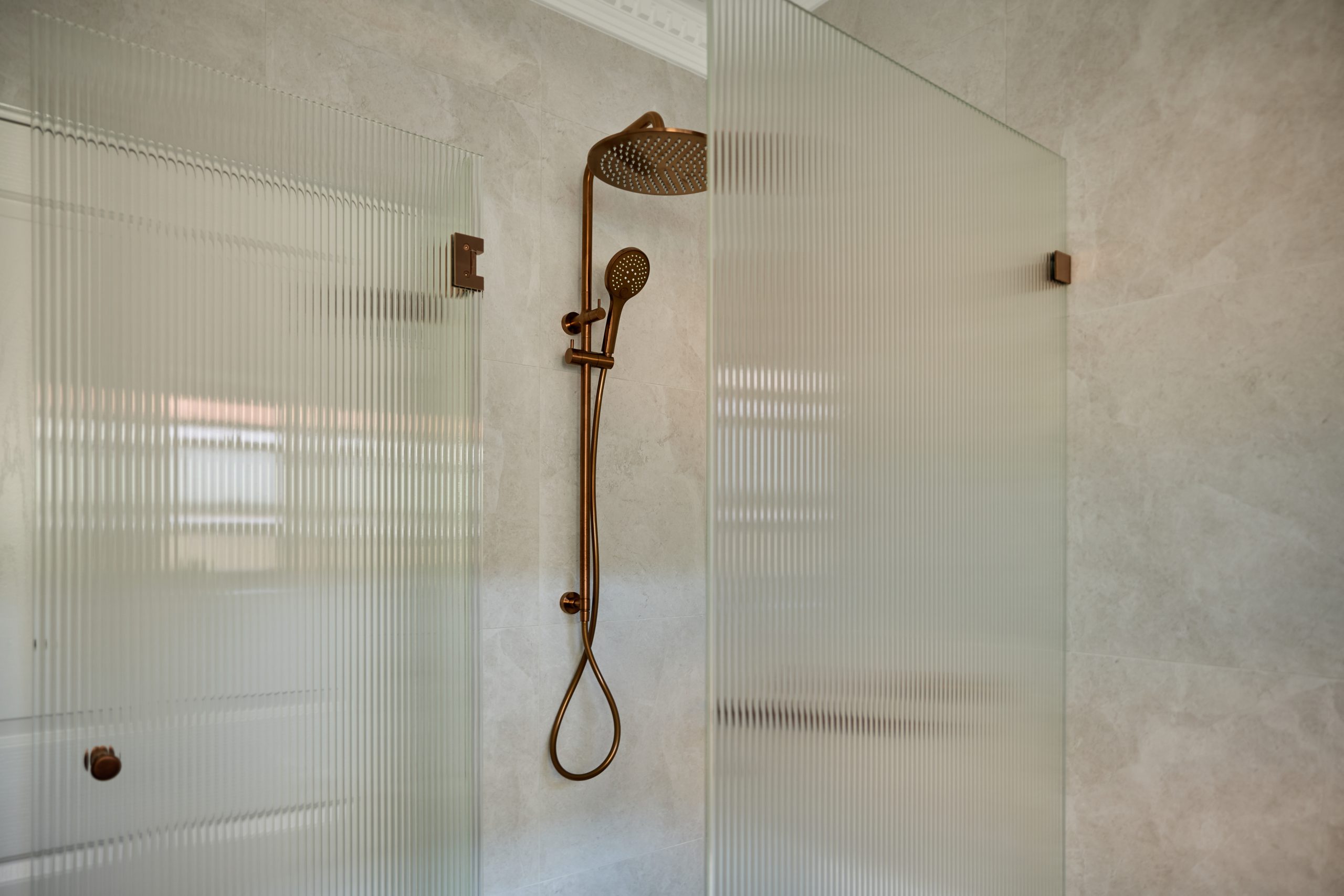
Ribbed glass has graduated from a retro reference to a mainstream design choice in the space of a few years. Shower screens, cabinet fronts, and mirror frames with a fluted or reeded profile introduce visual texture and a quality of light diffusion that flat glass doesn’t offer. The vertical lines also add perceived height to a space, which is a useful property in lower-ceilinged bathrooms.
The appeal is partly nostalgic, as ribbed glass has strong associations with mid-century and Art Deco architecture, but it reads as current when used in a contemporary context rather than a period recreation. Pairing it with warm metal hardware and organic tile shapes is currently a particularly strong combination.
Organic and Handmade Surface Textures
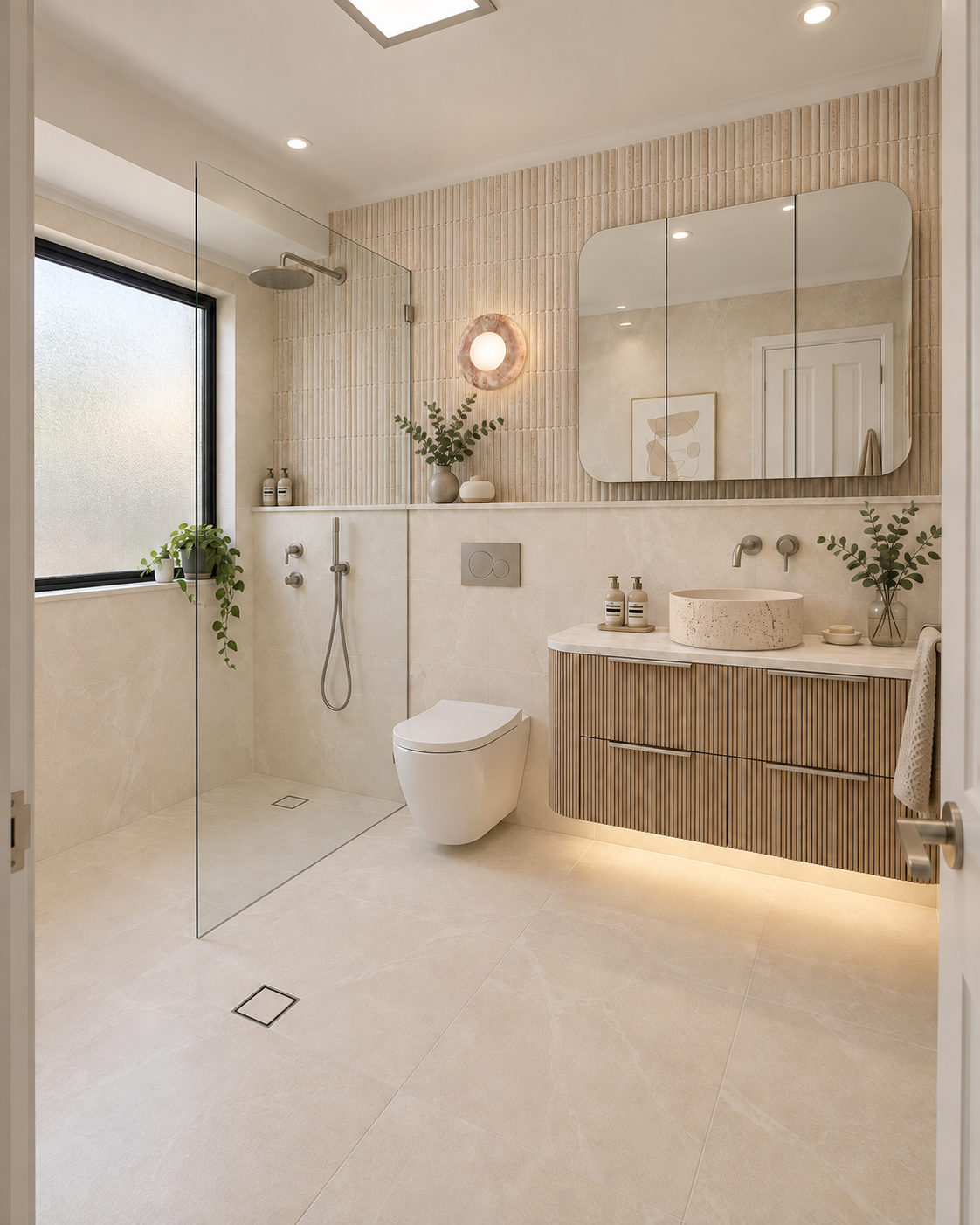
Machine-perfect surfaces have given way to materials with visible variation, irregularity, and character. Handmade ceramic tiles with uneven glazing. Limewash-effect wall finishes. Textured stone-look porcelain with genuine relief rather than a flat printed surface. These materials introduce the kind of warmth and depth that uniform surfaces simply don’t offer.
This extends to joinery and vanity fronts, where timber veneer and tactile lacquer finishes are outperforming the plain high-gloss panels that were standard for the better part of a decade. The combination of a textured vanity front with a honed stone benchtop and matte finish tapware creates a material story that feels genuinely considered.
Matte Finishes Across Fixtures and Surfaces
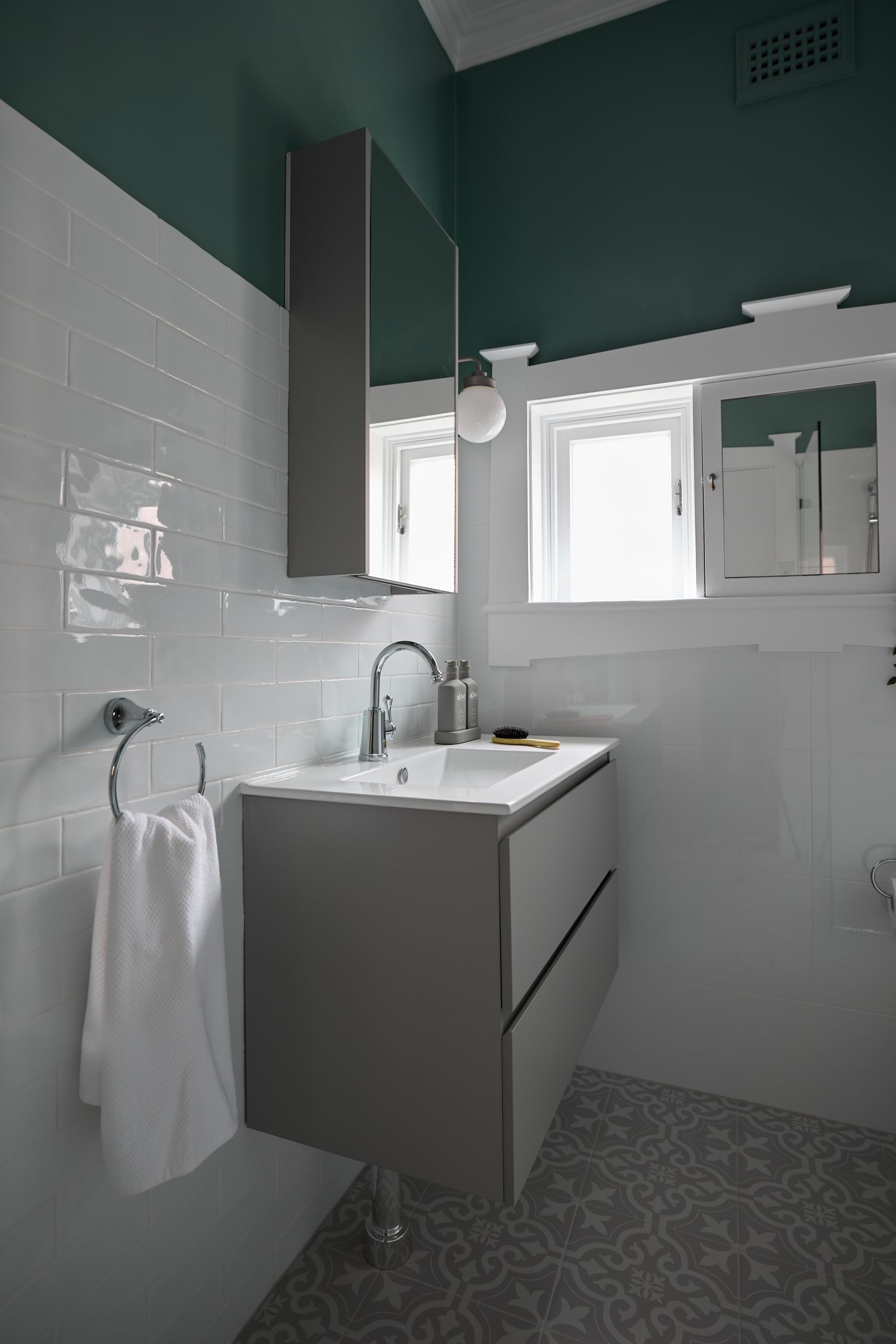
The move toward matte has been consistent and significant. Matte black tapware established the direction several years ago, and it’s been followed by matte white, matte navy, and a range of textured matte tile surfaces. The common thread is a reduction in reflectivity that makes finishes feel warmer and more considered in natural light.
Polished chrome and high-gloss tiles aren’t disappearing, but they’re increasingly playing a supporting role rather than carrying the whole room. A bathroom that utilises a polished stone feature surface against matte surrounding tiles, with matte hardware throughout, demonstrates a more sophisticated material approach than one where everything is competing at the same reflective level.
Terrazzo: Still Going, Still Working
Terrazzo has had an unusually long moment in bathroom design and shows no signs of retreating. The appeal is clear: it brings colour, pattern, and texture in a format that’s highly durable and easy to maintain. Contemporary terrazzo tile formats range from subtle fine-chip versions in neutral palettes to bold, graphic configurations that make an immediate statement.
Used on a floor or as a single feature wall, terrazzo introduces a level of visual interest that most other tile formats can’t match at the same price point. It also ages extremely well, which is an important consideration in a bathroom that’s meant to last.
Warm Tones and Earthy Palettes
The material palette has warmed up considerably from the white, grey, and chrome combinations that dominated for years. Warm beige, camel, terracotta, and dusty sage are all performing strongly as primary tones in current renovations, particularly when paired with timber accents and brushed brass hardware.
This shift in palette also changes what materials work well together. Cooler, bluer greys that were paired with chrome and white in contemporary renovations a decade ago feel slightly out of step with where the material conversation currently sits. Warmer, more earthy tones are more forgiving across a wider range of material combinations, and they tend to photograph and present well, which matters if resale is part of your thinking.
Crystal Bathrooms’ 3D design process is particularly useful when you’re working through a material palette. Seeing how ribbed glass, matte tapware, and a textured tile work together in your actual space, before any selections are locked in, takes the guesswork out of a decision that’s difficult to visualise from samples alone.
Frequently Asked Questions
Is matte tapware hard to keep clean?
Matte finishes show water spots and fingerprints less obviously than polished alternatives, which is a practical advantage in a working bathroom. They do require specific cleaning products, though. Avoid abrasive cleaners and anything acidic, which can damage the finish over time. A soft cloth and a pH-neutral cleaner are all that’s needed for regular maintenance.
Does ribbed glass work in a small bathroom?
Yes, often very effectively. The vertical lines in a fluted glass screen or cabinet front add perceived height, which works in favour of smaller spaces. It also diffuses light in a way that makes a compact bathroom feel less enclosed.
Are handmade tiles more expensive than standard tiles?
Generally, yes, though the difference varies widely by supplier and format. Handmade ceramics typically carry a premium over machine-made equivalents, but they don’t need to be used throughout the entire bathroom to have an impact. A single feature wall or niche in a handmade tile against more affordable surrounding tiles is a cost-effective way to introduce the aesthetic.
Is terrazzo suitable for bathroom floors?
Yes. Terrazzo in tile format is durable, water-resistant when properly sealed, and available in non-slip surface options suitable for wet area floors. It’s a practical choice as well as a design one.
What tapware finish suits a warm, earthy bathroom palette?
Brushed brass and brushed gold are the strongest performers in warm-toned bathrooms. They complement earthy tile palettes and timber accents without the coldness of chrome. Brushed nickel is a slightly cooler alternative that effectively bridges warm and neutral palettes.
Crystal Bathrooms
Crystal Bathrooms is a Sydney-based bathroom renovation company with 30+ years of combined experience, servicing homeowners and commercial clients across Greater Sydney. We manage every stage of your renovation, from initial consultation and 3D design through to construction and completion. All work is fully licensed, insured, and backed by a waterproofing warranty. Request a free quote or book a consultation with our team today.