Heated Floors, Aromatherapy & More: Comfort Upgrades Worth Investing In
There’s a category of bathroom features that doesn’t appear in tile samples or fixture catalogues but makes an enormous difference to how a bathroom actually feels to use. Warmth underfoot on a winter morning. The smell of eucalyptus in a steam shower. A heated towel rail means you step out to a warm towel rather than a cold one. These are comfort features, and they’re consistently the details that homeowners say they’re most glad they included once the renovation is complete.
The question worth asking is which comfort upgrades are genuinely worth the investment and which are novelties that see limited use after the first few months. Here’s an honest look at the options.
In-Floor Heating: The Most Consistently Valued Upgrade
Underfloor heating in a bathroom is probably the single comfort upgrade with the highest rate of satisfaction among homeowners who include it. A cold tiled floor is one of the most unpleasant sensory experiences a bathroom delivers, and a heated floor removes it entirely. The floor warms in around twenty to thirty minutes and holds temperature with relatively modest energy draw.
The most important thing to understand about in-floor heating is timing. The electric mat system must be installed under the tiles before tiling begins. Adding it after a renovation requires removing and replacing the floor entirely. If you’re planning a renovation and considering floor heating, go for it. The cost of adding it at the construction stage is far lower than retrofitting it later, and the regret rate for not including it is high.
Heated Towel Rails: Practical Luxury
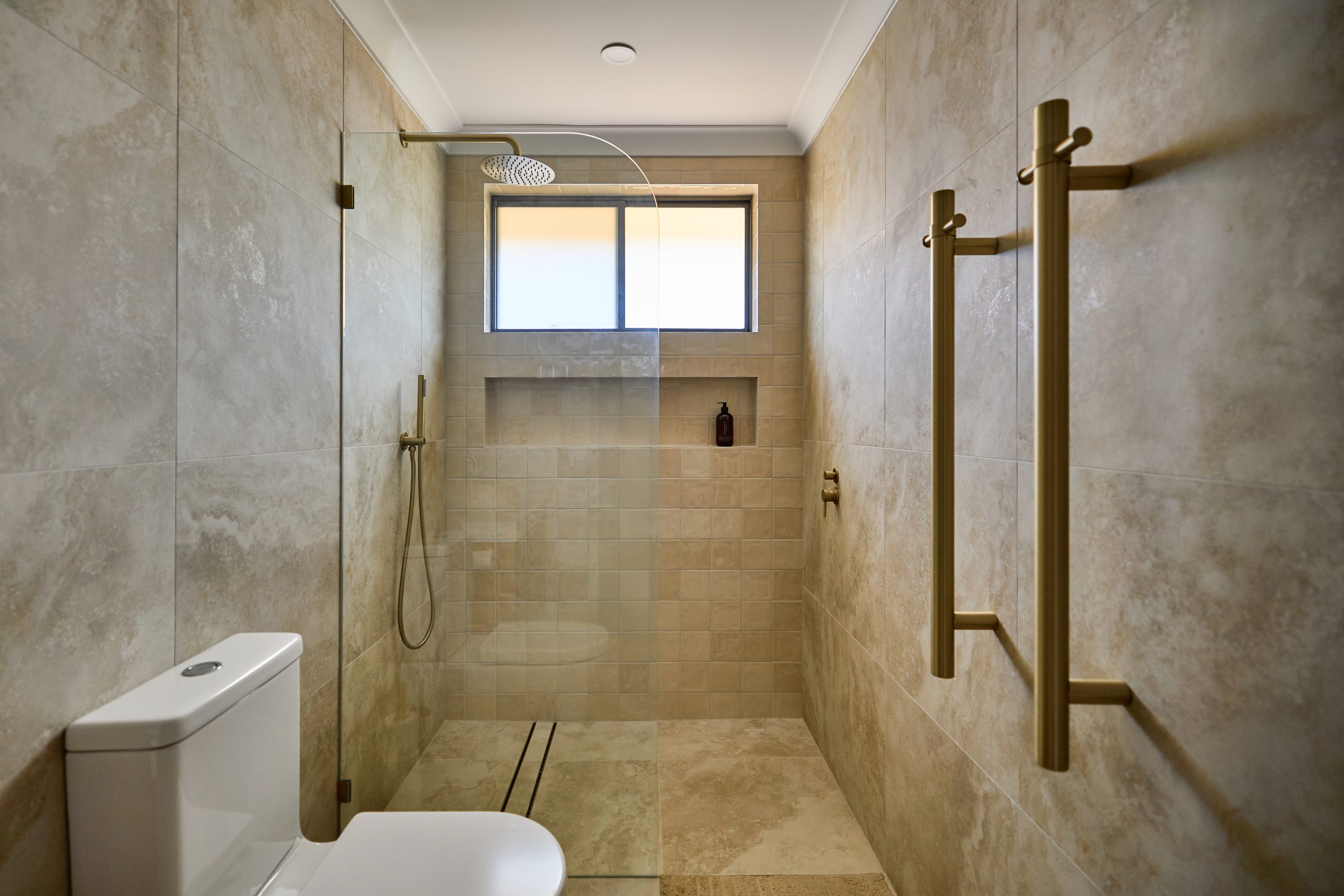
A heated towel rail is one of the most accessible comfort upgrades available. It serves two practical purposes: drying towels between uses, which reduces the humidity and mould risk in the bathroom, and warming them so they’re pleasant to wrap up in. In Sydney’s winters, this is a noticeably worthwhile addition.
Hardwired heated towel rails are the preferred option for a renovation context. They integrate cleanly into the wall without a visible power cord, and they can be connected to a timer so they’re warm when needed without running continuously. The range of rail profiles and finishes available now is also strong, with options that work equally well in a minimal contemporary bathroom and a more traditional one.
Steam Showers and Aromatherapy Features
A steam shower converts a standard shower enclosure into a steam room. A small steam generator, typically installed in the vanity cavity or a nearby cupboard, feeds steam into the sealed enclosure via a nozzle in the wall. The experience is genuinely restorative and quite different to a standard shower.
The requirements are specific: the shower enclosure must be fully sealed with no significant gaps in the screen, the ceiling should be pitched or sloped to prevent steam condensate from dripping, and the generator needs an appropriate power supply. These are all details that need to be planned at the renovation design stage.
Aromatherapy attachments for steam generators dispense essential oils into the steam. Eucalyptus and peppermint are the most commonly used; the effect on the overall shower experience is significant. It’s a modest addition to the cost of a steam system and consistently well-regarded by those who include it.
Heated Mirrors and Demister Pads
A fogged mirror after a shower is a mundane inconvenience, but a demister pad bonded to the back of the mirror eliminates it. The pad heats the mirror surface just enough to prevent condensation from forming, and it can be hardwired to run whenever the bathroom exhaust fan is on.
It’s a small upgrade in absolute cost terms, but it improves the daily use of the bathroom in a way that’s noticeable every time. For a bathroom where the mirror is a design focal point, it’s particularly worth including.
Smart Temperature Controls and Timers
Comfort upgrades work best when they’re available without friction. In-floor heating and heated towel rails connected to programmable timers mean the bathroom is ready when you need it, not after a delay. Smart thermostats for in-floor systems that learn usage patterns and pre-heat automatically are now available at accessible price points; they reduce energy use by not running the system during unoccupied periods.
At Crystal Bathrooms, we plan comfort features into the renovation from the outset, ensuring the electrical and structural requirements are addressed during construction rather than as afterthoughts. These details are straightforward to include during a renovation and expensive to add afterwards, so the conversation starts at the design stage.
Frequently Asked Questions
How much does in-floor bathroom heating cost in Sydney?
The cost of an electric in-floor heating mat for a standard bathroom typically ranges from $500 to $1,500 for the system, with additional installation costs. The total investment is significantly lower when included as part of a full renovation rather than installed separately, as the floor preparation work is already underway.
Does in-floor heating work under all tile types?
Most tile types are compatible with electric underfloor heating systems, including porcelain, ceramic, and natural stone. The tile adhesive used should be appropriate for heated substrates. Your renovation contractor should confirm compatibility during the selection process.
Is a steam shower worth adding to a bathroom renovation?
For homeowners who genuinely enjoy the steam shower experience, it’s a highly valued inclusion. The key is ensuring the structural and electrical requirements are properly planned, as a poorly executed steam shower enclosure won’t retain steam effectively, and the experience will be disappointing.
How much energy does a heated towel rail use?
A standard hardwired heated towel rail typically draws between 60 and 150 watts, which is comparable to a low-wattage light bulb. Running it for two to three hours per day adds a modest amount to energy costs. Connecting it to a timer ensures it runs only when needed.
Can I add underfloor heating to an existing bathroom without renovating?
Not without removing and replacing the floor. The electric mat is installed under the tile layer, so it requires access to the substrate. If you’re planning any floor replacement, even a partial one, that’s the time to include in-floor heating. It’s one of the upgrades most regretted by homeowners who chose not to include it during a renovation.
Crystal Bathrooms
Crystal Bathrooms is a Sydney-based bathroom renovation company with 30+ years of combined experience, servicing homeowners and commercial clients across Greater Sydney. We manage every stage of your renovation, from initial consultation and 3D design through to construction and completion. All work is fully licensed, insured, and backed by a waterproofing warranty. Request a free quote or book a consultation with our team today.